
What does Vital Pulp Therapy mean for patients?
What is Vital Pulp Therapy?
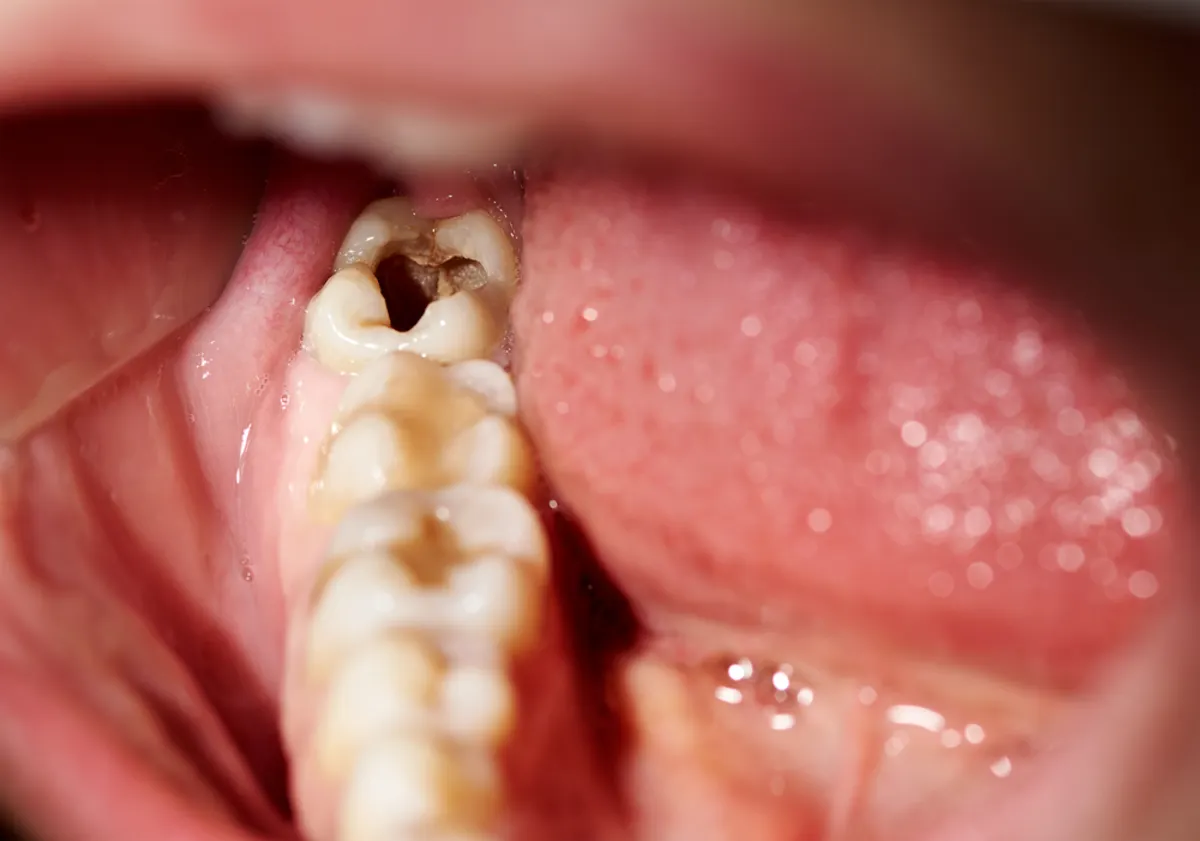
When teeth are exposed to plaque and bacteria for sustained periods of time, caries (tooth decay) can develop. Patients may see discolouration on a tooth, or experience pain and sensitivity. This discomfort is especially common when consuming hot, cold or sweet food and drinks.
Decay can affect tooth enamel and dentine, but when it progresses to damage the dental pulp, treatment options begin to change. Deep decay means that bacteria can impact upon a tooth’s nerves and blood vessels. Inflammation may cause toothache, which can be debilitating if untreated
Whilst root canal treatments or extraction have traditionally been the primary treatment approaches, vital pulp therapy (VPT) is an increasingly viable option in many cases. Patients should understand what VPT means and when it can be suitable, and be able to have clear conversations with their dental professionals about it.
What is Vital Pulp Therapy?
Whilst root canal treatment removes all of the dental pulp, VPT aims to retain as much of the pulp as possible. It can delay the need for root canal treatment, whilst maintaining the maximum amount of the natural dentition.
Clinicians judge which parts of the pulp need to be removed to prevent the spread of bacteria. Preserving the pulp where possible is important. In young permanent teeth with open apices, maintaining the pulpal tissue can ensure the roots develop as expected. The removal of this tissue is a pulpotomy, with full or partial degrees of the procedure depending on the amount of infected tissue that is removed.
It can be an ideal approach when a tooth has vital, inflamed or exposed pulp, and the remaining pulp can heal and maintain its blood supply. Treatment options include the indirect and direct pulp capping, a partial pulpotomy, or a full pulpotomy.
Managing indications for Vital Pulp Therapy
Dental professionals advising on appropriate endodontic treatment must ensure patients receive the most appropriate support for their needs.
Patients may be suited for VPT if they are experiencing:
- Either reversible or irreversible pulpitis, with our understanding of these states changing by the day
- Early necrosis
- Recovery from a dental trauma
Importantly, the prognosis of the dental pulp must be, to some extent, recoverable. If this isn’t the case, root canal treatment is typically ideal as it can prevent the spread of infection, disease or necrosis.
For clinicians who do not feel confident in identifying the specific indications that differentiate VPT and root canal treatment, consulting or referring to an endodontist is recommended. Dental professionals could share clinical presentations, patient-reported symptoms, and appropriate imaging results to help to identify the best possible approach. If complex treatment is required, and cannot be carried out in general practice, the same referral practitioner may be able to provide the necessary care.
What does the VPT workflow look like for patients?
For patients, the experience with VPT can differ entirely, dependent on the use of a clinical referral.
In many cases, a clinician will first carry out a thorough oral health assessment, identifying any problems. Radiographic imaging is used to better understand the presentation of any concerns such as caries.
If a dental professional identifies the need for VPT, a discussion will cover everything that should be expected, and a separate appointment can be set up to carry out the care that is needed.
A patient will be provided with local anaesthetic at the treatment site. The clinical team will then carry out the procedure that they have chosen for the best possible outcome; the damaged tissue will then be removed. The site will be protected with a small restoration, minimising the risk of the pulp being affected once again.
VPT, whilst more straightforward than root canal treatment in many cases, is still developing in awareness, meaning some clinicians will not provide it in general practice. Dental professionals can refer the case to an expert clinical team, such as those at EndoCare, who are able to set up an appointment to carry out treatment in their practice.
For patients, this creates greater access to key oral health resources and experienced professionals who can help them maintain their natural teeth for longer. The same radiographs and discussions around care will need to be carried out, and patients can be confident in their outcomes.